
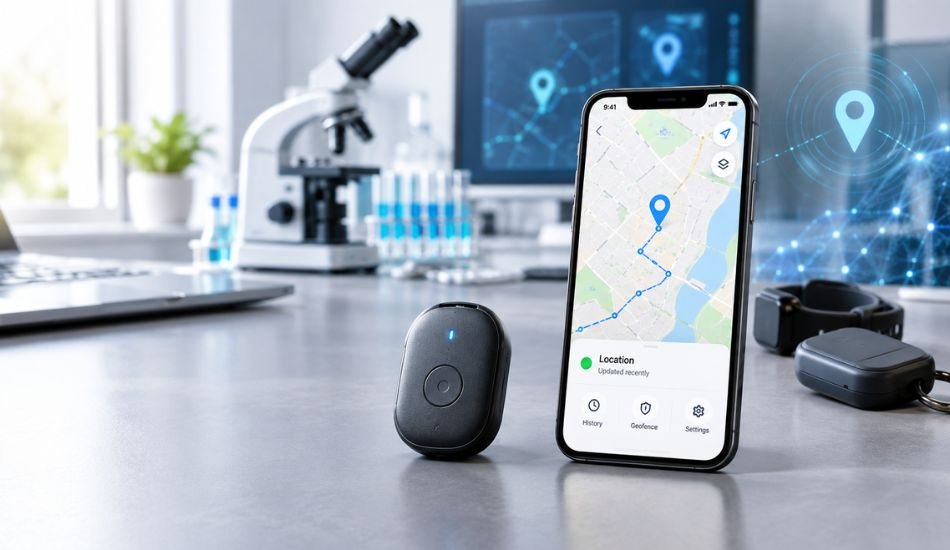
If you’ve been researching ways to understand your body’s fertility signals, you’ve probably come across the term “Tracqueur.” In French, the word simply means “tracker,” and in the context of reproductive health, it refers to fertility tracking tools, apps, and devices that help individuals and couples monitor ovulation, cycle patterns, and fertility signs. Whether you’re trying to conceive, avoid pregnancy naturally, or simply understand your body better, a tracqueur can be a genuinely useful companion on that journey.
This article breaks down what a tracqueur actually does, how different types work, what to realistically expect from them, and when it might be time to loop in a healthcare provider. We’ll keep things practical, honest, and free of exaggerated promises, because fertility tracking is a helpful tool, not a guaranteed solution.
1: What Exactly Is a Tracqueur?
A tracqueur, in the fertility and reproductive health space, is any method, app, or device designed to help someone observe and record patterns related to their menstrual cycle and fertility window. This can range from a simple paper calendar where someone jots down the first day of their period, all the way to sophisticated wearable sensors that measure body temperature changes overnight.
The core idea behind any tracqueur is pattern recognition. Your body gives off subtle signals throughout the menstrual cycle, things like slight temperature shifts, changes in cervical mucus texture, and hormonal fluctuations that can be detected through urine tests. A tracqueur collects this information over time so that patterns become visible instead of remaining invisible noise.
It’s worth noting that a tracqueur doesn’t create fertility signals, it simply helps you notice ones that are already there. This distinction matters because it means the accuracy of any tracking tool depends heavily on consistent use and, in some cases, on how regular or irregular someone’s natural cycle already is. Someone with a very predictable 28-day cycle will typically get more reliable projections than someone whose cycle varies significantly month to month.
2: Types of Fertility Tracqueurs Available Today
1: Calendar and App-Based Tracking
The most accessible form of tracqueur is the calendar method, now largely replaced by smartphone apps. These tools ask users to log the start and end dates of their period, and over a few cycles, the app estimates a fertile window based on average cycle length. This method is low-cost and easy to start with, but it works best for people with fairly regular cycles, since it relies on statistical averages rather than direct biological measurement.
2: Basal Body Temperature Tracqueurs
Basal body temperature, or BBT, refers to your body’s resting temperature measured first thing in the morning before any activity. After ovulation, a small but measurable rise in temperature typically occurs due to hormonal changes. A BBT tracqueur, whether it’s a basic thermometer paired with a chart or a smart wearable that logs temperature automatically overnight, can help confirm that ovulation has already occurred. The trade-off is that this method tells you ovulation happened after the fact, rather than predicting it in advance.
3: Ovulation Predictor Kits and Hormone-Based Devices
These tracqueurs work by detecting luteinizing hormone, often abbreviated as LH, in urine. LH typically surges shortly before ovulation, so a positive result on one of these tests suggests that ovulation is likely to happen within the next day or two. Some newer digital devices combine LH detection with other hormone markers for a fuller picture, and results are usually displayed clearly on a small screen or app, removing the guesswork of reading test lines.
4: Wearable Sensors
Wearable fertility tracqueurs, such as rings or patches, have grown in popularity because they passively collect data like skin temperature throughout the night without requiring the user to remember daily testing. These devices sync with an app that analyzes trends over time. They can be convenient, though like any tool relying on temperature, they generally confirm ovulation retrospectively rather than predicting it far in advance.
3: How to Use a Tracqueur Effectively
Consistency is genuinely the most important factor in getting useful information from any tracqueur. Logging data sporadically, skipping days, or switching methods frequently makes it much harder for patterns to emerge. Most fertility apps and devices recommend at least two to three full cycles of consistent tracking before the predictions start to feel meaningfully accurate.
It also helps to combine methods when possible. For example, pairing a calendar-based app with occasional ovulation predictor kits can give you both a general estimate and a more precise confirmation window. Many people find that layering a couple of tracking methods together, rather than relying on just one, produces a clearer overall picture of their cycle.
Timing matters too. Basal body temperature should ideally be taken at the same time each morning, before getting out of bed or engaging in any physical activity, since even small movements can raise your temperature slightly and throw off the reading. Similarly, ovulation predictor kits often work best when urine isn’t too diluted, so many instructions suggest limiting fluid intake for a couple of hours beforehand and testing consistently around the same time of day.
4: Common Limitations to Keep in Mind
No tracqueur, regardless of how advanced, can guarantee a pregnancy or definitively rule one out. Cycles can shift due to stress, illness, travel, changes in sleep, or countless other everyday factors, and this natural variability means that even the best data-driven predictions are still estimates rather than certainties.
Irregular cycles present a particular challenge. Conditions that affect hormone regulation can make ovulation timing less predictable, which in turn makes calendar-based methods especially unreliable for some individuals. In these situations, hormone-based or temperature-based tracqueurs, or a combination of both, tend to offer more grounded information than an app relying purely on averages.
It’s also worth remembering that a tracqueur is an informational tool, not a diagnostic one. If someone is tracking their cycle for months and noticing consistently irregular patterns, unusually long or absent cycles, or unexpected symptoms, that’s a signal worth discussing with a healthcare provider rather than something to try to interpret entirely through an app.
5: When to Consult a Healthcare Professional
While a tracqueur can offer helpful day-to-day insight, there are moments when professional guidance becomes important. If cycles are consistently irregular, if ovulation doesn’t seem to be occurring based on tracked data over several months, or if someone has been trying to conceive for an extended period without success, a conversation with a doctor or fertility specialist is a reasonable next step.
Healthcare professionals can offer testing and evaluation that goes well beyond what any consumer tracqueur can provide, including bloodwork, ultrasounds, or more detailed hormonal assessments. They can also help interpret the data you’ve already collected, which means all that tracking you’ve done isn’t wasted, it actually becomes a useful starting point for a more thorough evaluation.
It’s also worth seeking medical advice if tracking reveals patterns that feel concerning, such as significant pain, unusually heavy bleeding, or symptoms that disrupt daily life. A tracqueur is designed to inform, not to replace clinical judgment, so treating unusual findings as a reason to check in with a professional rather than self-diagnosing is generally the safer approach.
6: Frequently Asked Questions
1. How accurate is a fertility tracqueur?
Accuracy varies by method and by the individual’s cycle regularity. Hormone-based tracqueurs tend to be more precise for pinpointing ovulation than calendar-based apps, but no method offers a complete guarantee, since natural cycle variation always plays a role.
2. How long should I use a tracqueur before trusting its predictions?
Most experts and app developers suggest tracking consistently for at least two to three full cycles before the predictions start to reflect your personal pattern more reliably.
3. Can a tracqueur help if my cycles are irregular?
Yes, though calendar-based predictions become less reliable with irregular cycles. Combining a tracqueur with temperature tracking or hormone testing often provides more useful information in these cases.
4. Do men need a tracqueur too?
Fertility tracking is primarily designed around the menstrual cycle, but some couples find it helpful for both partners to understand the fertile window together, especially when timing intercourse around ovulation.
5. Is it normal for tracqueur predictions to be slightly off each month?
Yes, this is completely normal. Cycles can shift slightly due to stress, sleep, illness, or other everyday factors, so small variations in predicted versus actual ovulation timing are expected rather than a sign that something is wrong.
7: Conclusion
A tracqueur can be a genuinely valuable tool for anyone wanting to understand their fertility patterns more clearly, whether the goal is conception, natural family planning, or simply body literacy. From simple calendar apps to advanced wearable sensors, these tools work by helping you notice signals your body is already producing rather than manufacturing fertility information out of nothing.
That said, it’s important to approach tracqueurs with realistic expectations. They offer estimates and patterns, not guarantees, and they work best when used consistently over several cycles. If tracking reveals irregularities or if conception doesn’t happen after a reasonable period of trying, reaching out to a healthcare professional is always a sensible and proactive step. Used thoughtfully, a tracqueur isn’t a replacement for medical care, but a helpful starting point for informed conversations about your reproductive health.
For anyone researching Tracqueur, understanding how tracking technology works can help in choosing the right solution while keeping privacy and security in mind. For more informative technology and digital guides, visit newzispaper.